Cervical Screening

What is cervical screening?

Cervical screening is a way of preventing cancer of the cervix (cervical cancer). It uses tests to find abnormal changes in the cells of the cervix.
The cervix is the lower part of the womb (uterus) that joins to the top of the vagina. It is sometimes called the neck of the womb. It is the part of the womb that opens (dilates) during childbirth to allow a baby to be born. People who have a cervix include women, trans men and people assigned female at birth.
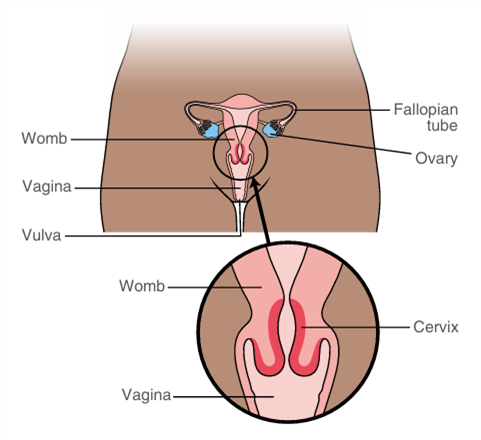
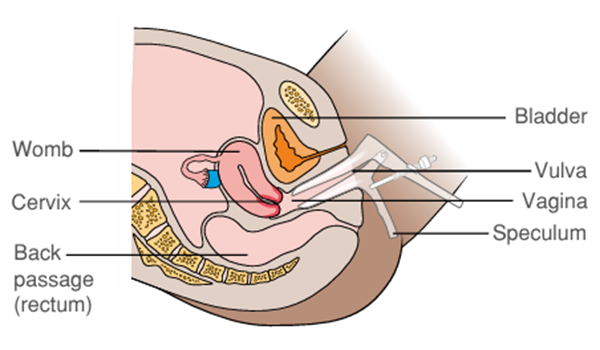
 

Womb

Why have cervical screening?

Abnormal cell changes in the cervix are common, and often improve naturally. But sometimes these changes need treatment because there is a risk they may develop into cancer. Abnormal changes cause no symptoms. You will not know if you have them unless you have cervical screening. Screening finds abnormal cell changes, including the ones that are most likely to become cancer. These cells can then be treated. This is an effective way of preventing cervical cancer.

Smear

Who can have cervical  screening?

Cervical screening is for anyone who has a cervix between the ages of 25 and 64 years old. It is important to have, even if you have had the HPV vaccination. The vaccination protects against the most common types of high‑risk HPV that cause cervical cancers. But it does not protect against all types.

MacMillan Cancer Support

Please click the links to find the MacMillan Cancer Support cervical smear information booklets 

MacMillan Cervical Screening Support

The Eve Appeal

The Eve Appeal is the UK’s leading gynaecological cancer charity, dedicated to preventing womb, ovarian, cervical, vulval, and vaginal cancers.
Ask Eve is a free, confidential, nurse-led advice service from The Eve Appeal staffed by specially trained nurses offering expert insight and reassurance on anything from unusual symptoms, HPV, cervical screening, and family history, to gynaecological cancer diagnosis and treatment. 
Click here to visit their website - The Eve Appeal

Tips for Cervical Screening

  • Ask for a call or appointment to talk through the test. You can see the equipment and ask questions to help prepare for your screening. 
  • Ask to book a double appointment. Having more time before and after your screening can help you take in information. It will also give you time to process what happens.
  • Ask for a healthcare of a particular gender. You may feel more comfortable with a female or male healthcare doing your screening. If there is a healthcare you trust, you can ask if they are able to do it.  
  • Ask to take someone you trust with you. You can ask if someone can come with you for support. It could be a friend, family member, partner or someone else. You can also ask if a member of staff can support you as a chaperone. 
  • Write down any questions you want to ask. Like asking what your healthcare can do to make the test more comfortable.  
  • Use post-menopausal prescriptions. During and after menopause, the vagina can become thinner and less able to stretch. This can make the test more uncomfortable. You can ask for a prescription of vaginal oestrogen cream or pessary. 
  • Avoid booking a cervical screening when you have your period. This can make it harder to get an accurate result. 
  • Try not to use spermicide or oil-based lubricant (lube) for two days before your test. These can affect the results. 
  • Wear a long skirt or dress. If you feel comfortable wearing a skirt or dress, it can help you feel more covered. You can keep it on during the test and only take off your underwear. 
  • Plan to spend at least 30 minutes at your GP surgery. This will include waiting for your appointment. The test itself will only take a few minutes

Gynae Cancer

Booking a Cervical Smear Test

Please call the practice on 01865 515552 or submit an online Accurx request to book a Smear Test with a member of our nursing team. 

Page last reviewed: 16 January 2026
Page created: 12 January 2026